
News
Rosa Parks’ Legacy: Courage and Civil Disobedience After 70 Years

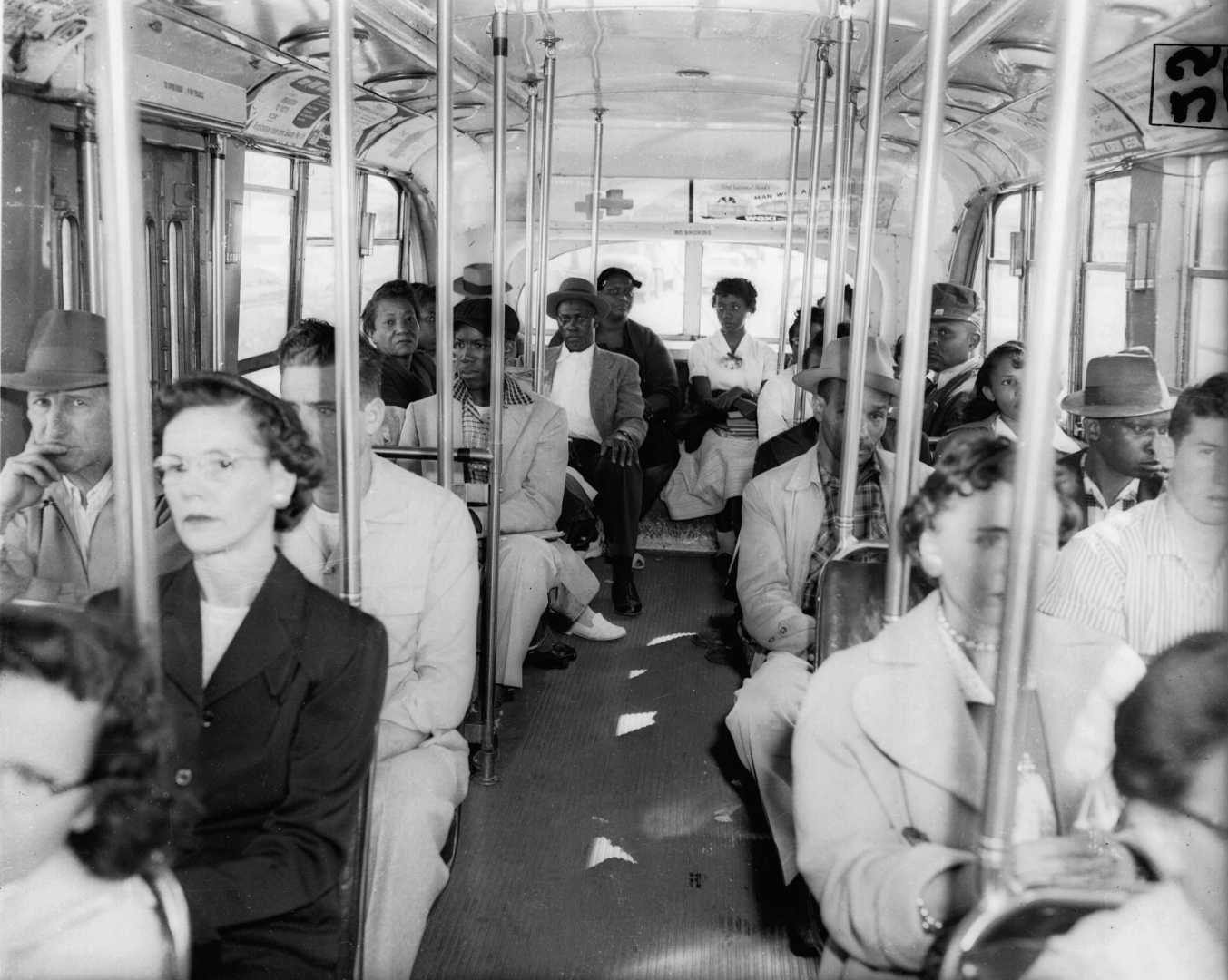
Montgomery, Alabama — Seventy years ago, a pivotal moment in American history unfolded on a bus in Montgomery. Four African Americans occupied seats in the fifth row when a white man was asked to surrender his place and stand. Three complied, but one, Rosa Parks, stood firm. This act of defiance became a powerful symbol of courage and resistance against racial injustice.
Rosa Parks was more than a tired seamstress. She was a dedicated member of the National Association for the Advancement of Colored People (NAACP) in Montgomery since 1943. Her activism included leading youth organizations and investigating the rapes of African American women in Alabama. Parks’ refusal to give up her seat on December 1, 1955, sparked the Montgomery Bus Boycott, which lasted an impressive 381 days.
The boycott emphasized the power of coordination among activists, including the distribution of pamphlets in the Black community and volunteers running “private taxis.” The United States Supreme Court eventually ruled bus segregation unconstitutional in December 1956.
Reflecting on Parks’ legacy raises essential questions about civil disobedience in contemporary society. Political theorist John Rawls famously defined civil disobedience as a public, nonviolent act of conscientious dissent. Yet today’s government often punishes even lawful expressions of dissent severely. In the past, Rawls believed that civil disobedience could inspire majority support for change.
However, today’s media landscape is significantly fragmented. Despite the viral spread of injustices, many narratives can be distorted by right-wing agendas, complicating the public’s understanding of civil rights issues. Today’s activists must grapple with a government that often undermines the rule of law. Reports indicate that legal cases are increasingly constructed to align with predetermined outcomes, raising concerns about the integrity of the judicial system.
While some judges push back, widespread corruption persists. Rosa Parks’ formidable example of dissent forces present-day individuals to confront distinct challenges. Unlike Parks’ era, the current political climate features targeted repression of dissent, making the act of civil disobedience increasingly fraught with complications.
As society reflects on Rosa Parks’ contributions, it becomes imperative to understand the nuances of her struggle. Modern consequences of dissent challenge activists today, compelling them to devise innovative strategies aligned with their goals for justice and equality.


