
Business
Xcel Energy to Sell Water Rights to Farmers in Arkansas River Valley

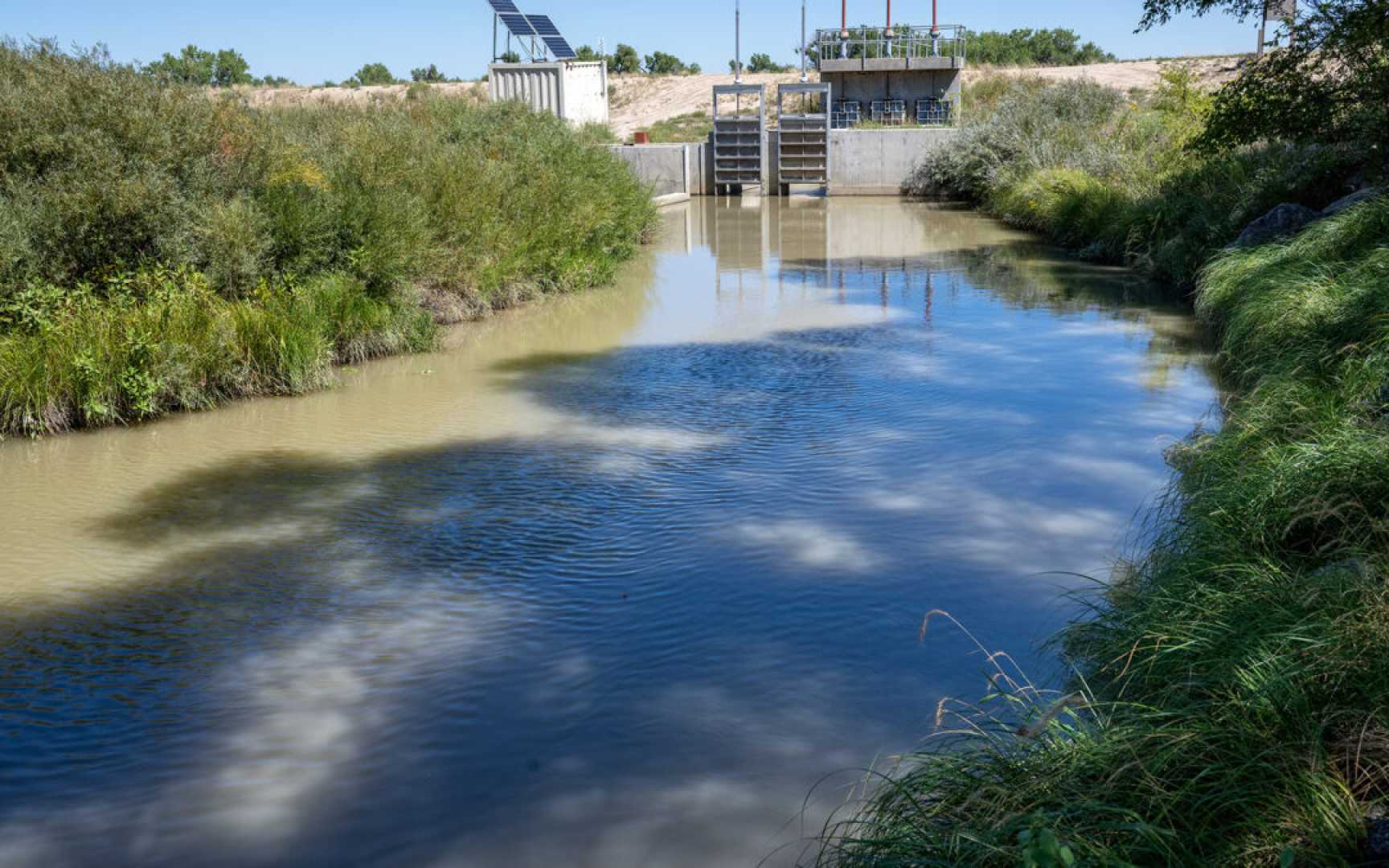
Pueblo, Colorado – Xcel Energy has announced plans to sell 12,500 acre-feet of water rights to a newly formed irrigation company in the Lower Arkansas River Valley. Valued at more than $44 million, the proposal aims to support local farmers in an area facing severe water shortages.
This deal is particularly significant as it comes amid rising tensions between agricultural interests in the region and urban areas like Colorado Springs and Aurora, which are increasingly reliant on water resources for their growing populations. Advocates hope this transaction will help alleviate conflict by ensuring the water remains in the communities that have historically relied on it.
According to preliminary terms of the deal, 70% of the water rights will be owned by farmers while the remaining 30% will be owned by Colorado Springs Utilities. Each acre-foot of water, approximately equivalent to 326,000 gallons, can sustain two to four urban households or irrigate one acre of farmland for a year.
Jennifer Jordan, a spokesperson for Colorado Springs Utilities, stated, “The new company means farmers will become owners. It also means the water will remain in the Arkansas Basin.” Xcel originally purchased these water rights in the 1980s for a coal-fired power plant project that never came to fruition.
Over the years, Xcel has leased the water to regional farmers under year-to-year agreements. Todd Doherty, coordinating the sale, emphasized Xcel’s intent to positively impact the community: “They could have sold the water to the highest bidder and walked away.” Xcel has not yet responded to requests for comments regarding this deal.
The valuation of the water rights is significant; they are appraised at $9,000 per acre-foot for municipal use and $1,250 per acre-foot for agricultural usage. This pricing leads to the overall deal being valued at approximately $44.6 million.
Rebecca Jewett, president of the Palmer Land Conservancy, expressed optimism about the potential impact of the Las Animas project, noting its ability to create tools that protect irrigated farmland in Colorado, which has faced a 30% reduction over the last 30 years due to drought and increased municipal water purchasing.
Following the formation of the new irrigation company through a merger of the Las Animas Consolidated Canal System and the Las Animas Consolidated Extension Canal, farmers will gain control of their water supplies. However, Colorado Springs Utilities’ share will necessitate some drying up of farm land, with expectations that about 100 acres of new irrigation will be sacrificed.
Glen Brown, president of the new company, highlighted the goal to keep water resources within the valley: “We’ve protected 70% of this water better than it has ever been protected before.” Nevertheless, some farmers remain wary, stressing the need for long-term protection of water rights.
Jack Goble, general manager of the Lower Arkansas Valley Water Conservancy District, urged, “If there is no perpetual tying of 70% of the water to the land, that would be a major concern of ours.” Stakeholders hope additional protections may be solidified before the final agreement is completed early next year, ensuring that this arrangement provides both immediate relief and longevity for agricultural interests in the area.


