
Politics
Maldives Bill Sparks Outrage Over Potential Media Censorship

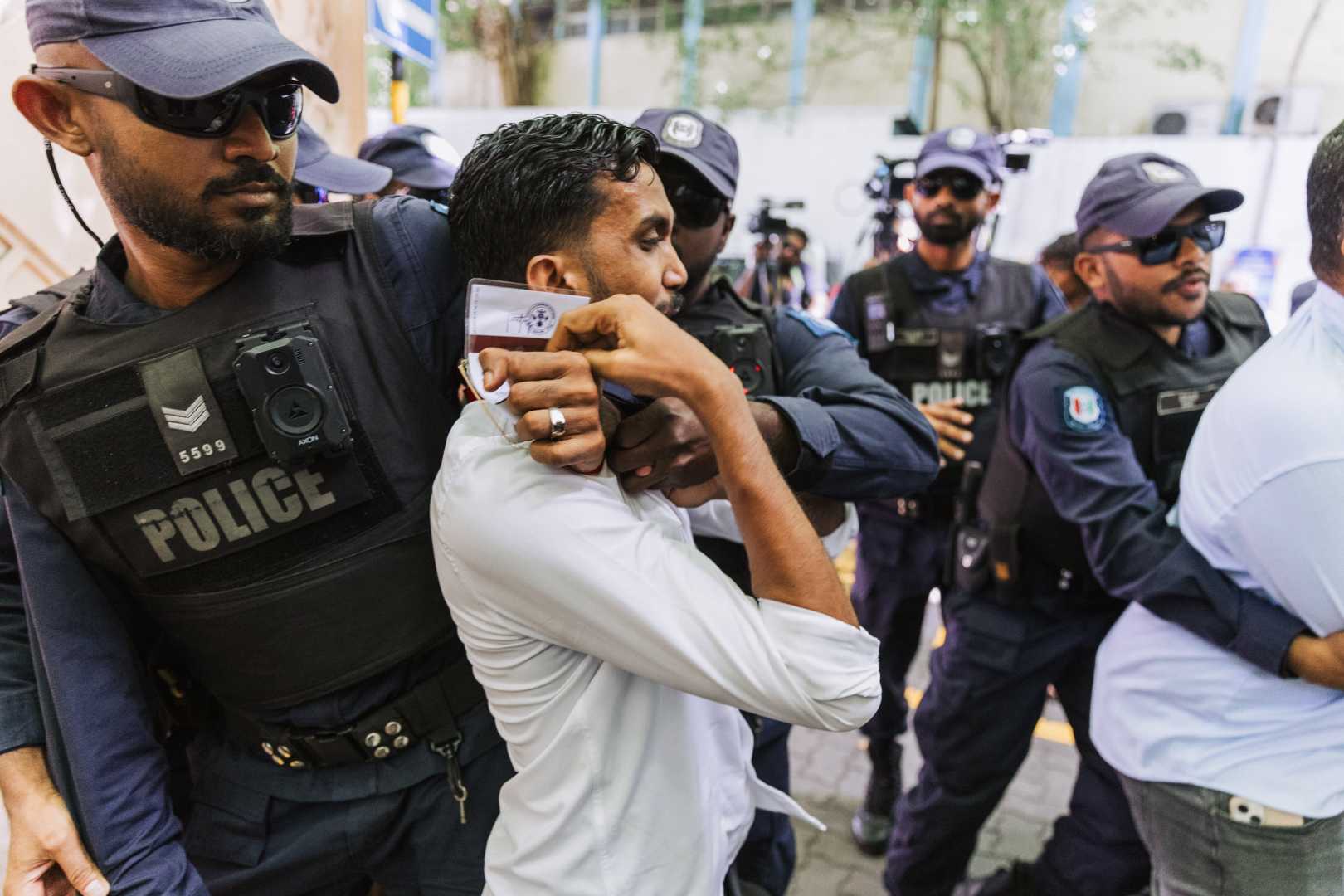
Male, Maldives — A controversial bill aimed at regulating media in the Maldives has ignited widespread protests and criticism from journalists and opposition parties. Approved by a supermajority in parliament on September 17, the Maldives Media and Broadcasting Regulation Bill is seen by critics as a threat to free speech.
Ahmed Naaif, secretary general of the Maldives Journalists Association (MJA), called the legislation “draconian,” claiming it seeks to suppress dissent on both traditional and social media. “We journalists will stand together in defiance against this takeover of the media by the executive branch,” Naaif told Al Jazeera.
Despite the backlash, the government, led by President Mohamed Muizzu, argues that the bill is necessary for creating a unified body to oversee media operations. Foreign Minister Abdulla Khaleel stated the legislation aims to protect freedom of expression and establish clear standards for media conduct.
The MJA and the main opposition party, the Maldivian Democratic Party (MDP), announced plans for protests to oppose the bill. MDP leaders described the bill as a “sad day for democracy in the Maldives” and urged the public to rally against what they see as government control over the press.
The bill creates a commission with broad regulatory powers, allowing it to impose fines and shut down news outlets for coverage deemed contrary to national security or public order. Critics argue that the commission’s members, who can be dismissed by the parliament, would further politicize media regulation.
Naaif expressed concerns about the bill’s potential impact on online content creators, warning that anyone publishing information online could be at risk under the new rules. “This bill will enable censorship of the internet to a whole new level,” he said.
While supporters of the bill assert that personal social media accounts remain unaffected, critics remain skeptical. Former President Ibrahim Mohamed Solih claimed the legislation signifies the end of press freedom in the nation. “The manner in which it was forced through parliament, despite public outcry, lays bare the government’s disregard for democratic rights,” he noted.
The United States Embassy in the Maldives has also weighed in, urging the government to protect freedoms of expression and uphold democratic principles. As the outcry continues, the future of media regulation in the Maldives remains uncertain.


