
News
NASA Simulates Mars Mission with Year-Long Habitat Experiment

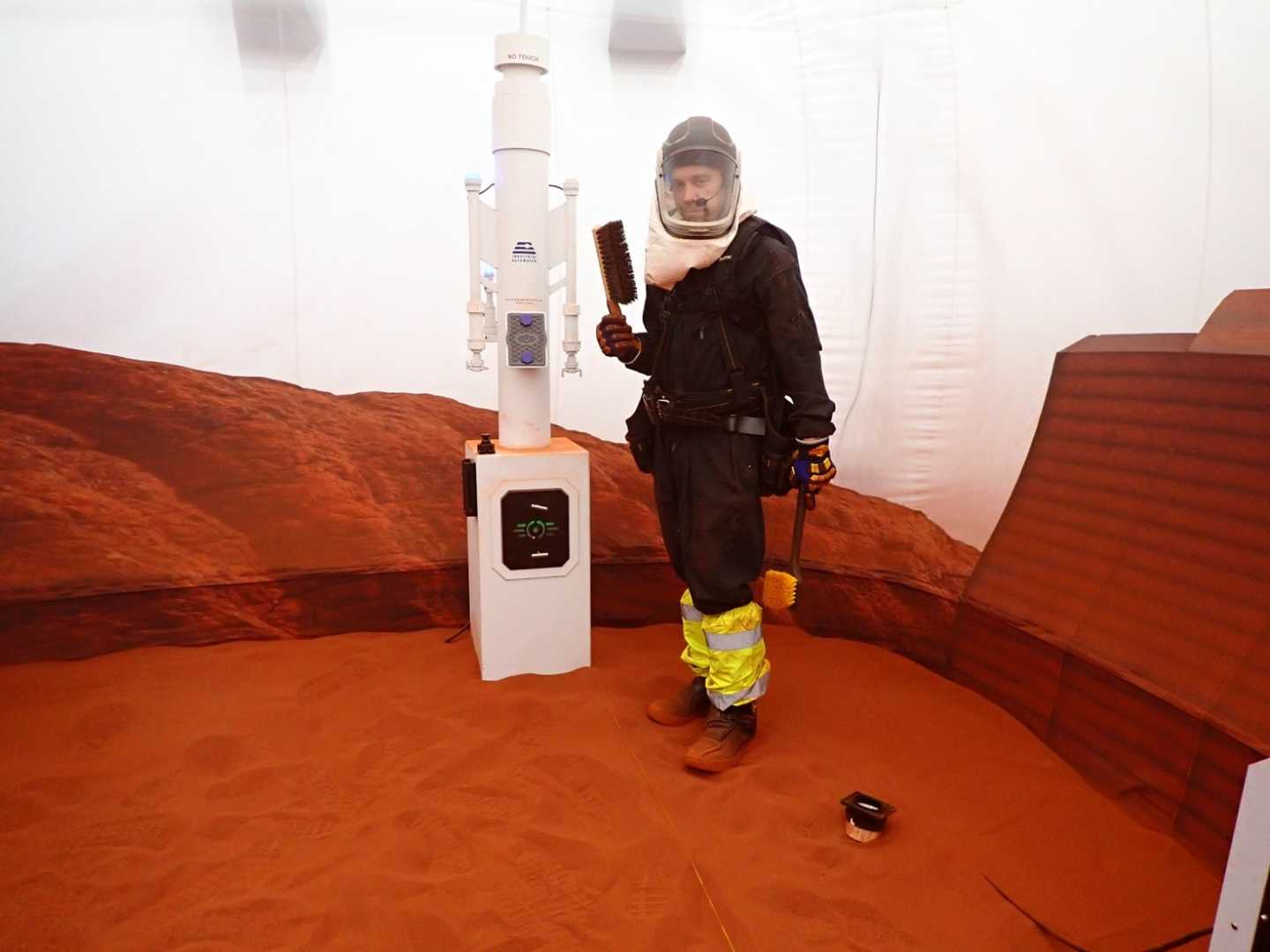
Houston, Texas – NASA is conducting a year-long experiment to simulate a mission to Mars, with a team of researchers spending time in a 1,700-square-foot habitat at the Johnson Space Center. The crew will manage limited resources and face isolation as they prepare for possible future Mars missions.
This experiment is the second iteration of such a study, which aims to understand the challenges astronauts may face during actual space travel. More than 8,000 individuals applied to participate, highlighting the public’s interest in advancing space exploration.
NASA’s goal is to simulate a variety of scenarios that might occur on Mars, including technological and psychological challenges. Dr. Jessica Watkins, a geologist and astronaut, expressed her enthusiasm: “This experiment allows us to gather critical data that will inform future missions and keep our astronauts safe.”
The participants, isolated from the outside world, will work in teams to solve problems and interact with mission control, functioning under the conditions that may mimic life on Mars.
NASA officials believe that such studies are vital in preparing for the first human landings on Mars, scheduled within the next two decades. Each day, the team will face tasks that test their resilience and teamwork.
“It’s impressive what the participants are willing to sacrifice for this research,” said project manager Dr. John Phillips. “Their contribution will help answer questions we’ve had for years regarding life on other planets.”
The experiment will provide invaluable insights into long-duration space missions, affecting future planning and preparation for human expeditions beyond Earth.


