
News
US Secret Service Seizes 100,000 SIM Cards Ahead of UN General Assembly

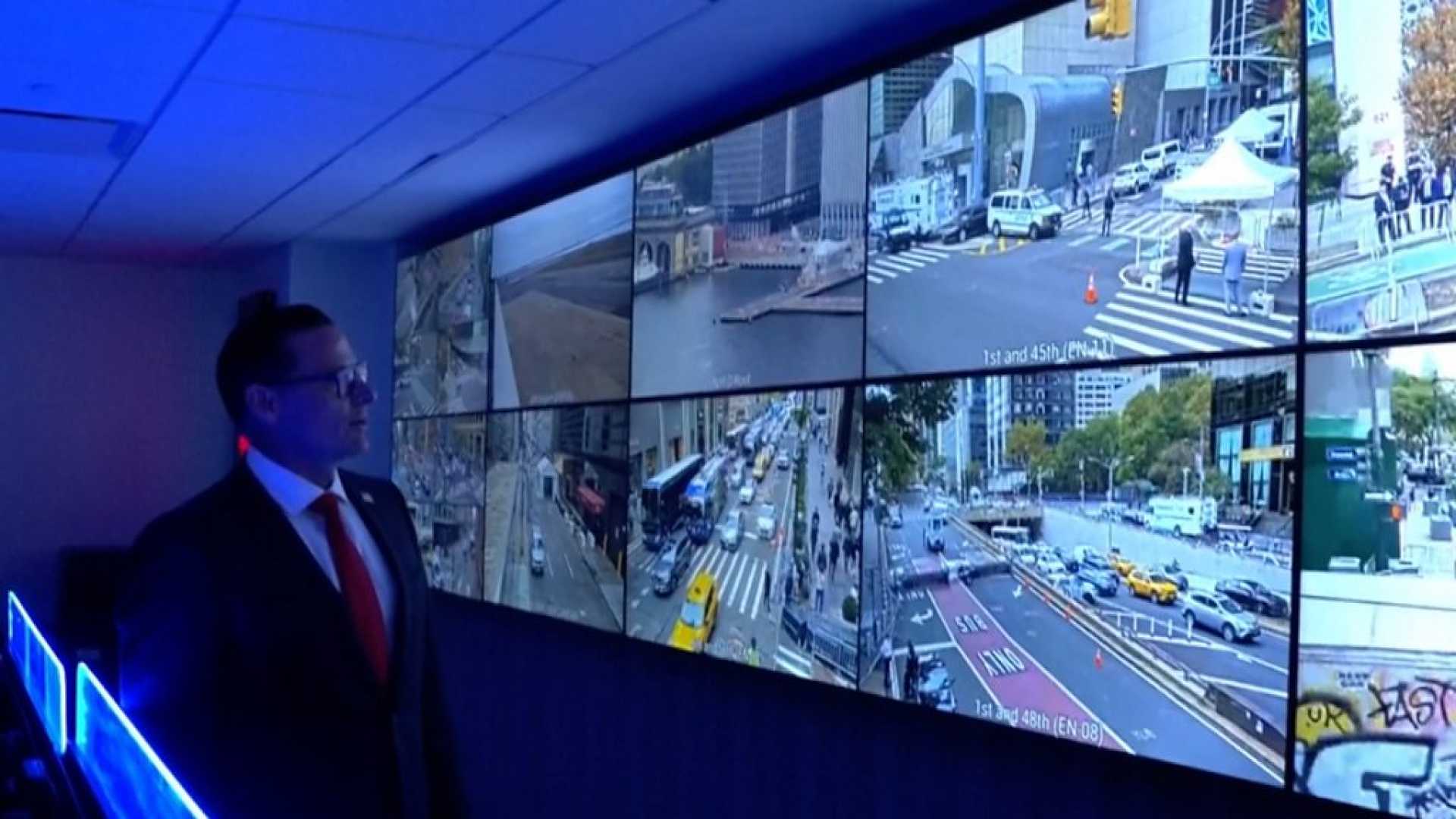
NEW YORK — The U.S. Secret Service has dismantled a network containing over 100,000 SIM cards, which posed a significant threat to New York‘s telecommunications infrastructure just ahead of the U.N. General Assembly. The agency linked the threat to ‘nation-state’ actors, emphasizing the potential for disruption during a critical time.
In a statement, the Secret Service outlined that these devices could have been utilized for anonymous telephonic threats, disabled cell phone towers, enabled denial of service attacks, and facilitated encrypted communication between threat actors and criminal enterprises. The takedown occurred within a 56-kilometer radius of the U.N. General Assembly, where world leaders were gathering.
“Given the timing, location, and potential for significant disruption to New York telecommunications posed by these devices, the agency moved quickly to disrupt this network,” the Secret Service said, noting that the operation was part of a larger investigation into telecommunications threats targeting senior government officials.
As foreign leaders arrived in Manhattan for the assembly, officials considered the seized network one of the most serious telecommunications threats ever discovered on U.S. soil. The system could have blacked out cellular service crucial not only for daily life but also for emergency responses.
Special Agent Matt McCool, in charge of the Secret Service’s New York field office, explained, “It can take down cell towers, so then people can’t communicate. You can’t text message, you can’t use your cell phone. And if you coupled that with some sort of event associated with the UNGA, it could be catastrophic to the city.”
Despite the severity of the situation, officials stated there is no credible ongoing threat to New York City and have not uncovered a direct plot to disrupt the assembly. Forensic analysis of the seized devices is still underway, with agents analyzing communications that link nation-state actors to organized crime and terrorist organizations.
McCool described the network’s capability as alarming, noting it could have sent up to 30 million text messages per minute. The Secret Service continues to gather evidence from the seized SIM cards and servers, with McCool cautioning that other similar networks may exist in U.S. cities.
“The U.S. Secret Service’s protective mission is all about prevention, and this investigation makes it clear that threats to our protectees will be immediately investigated and dismantled,” said Sean Curran, director of the agency.


