
Health
Teenagers from Lambert High School Advance Lyme Disease Research Using CRISPR

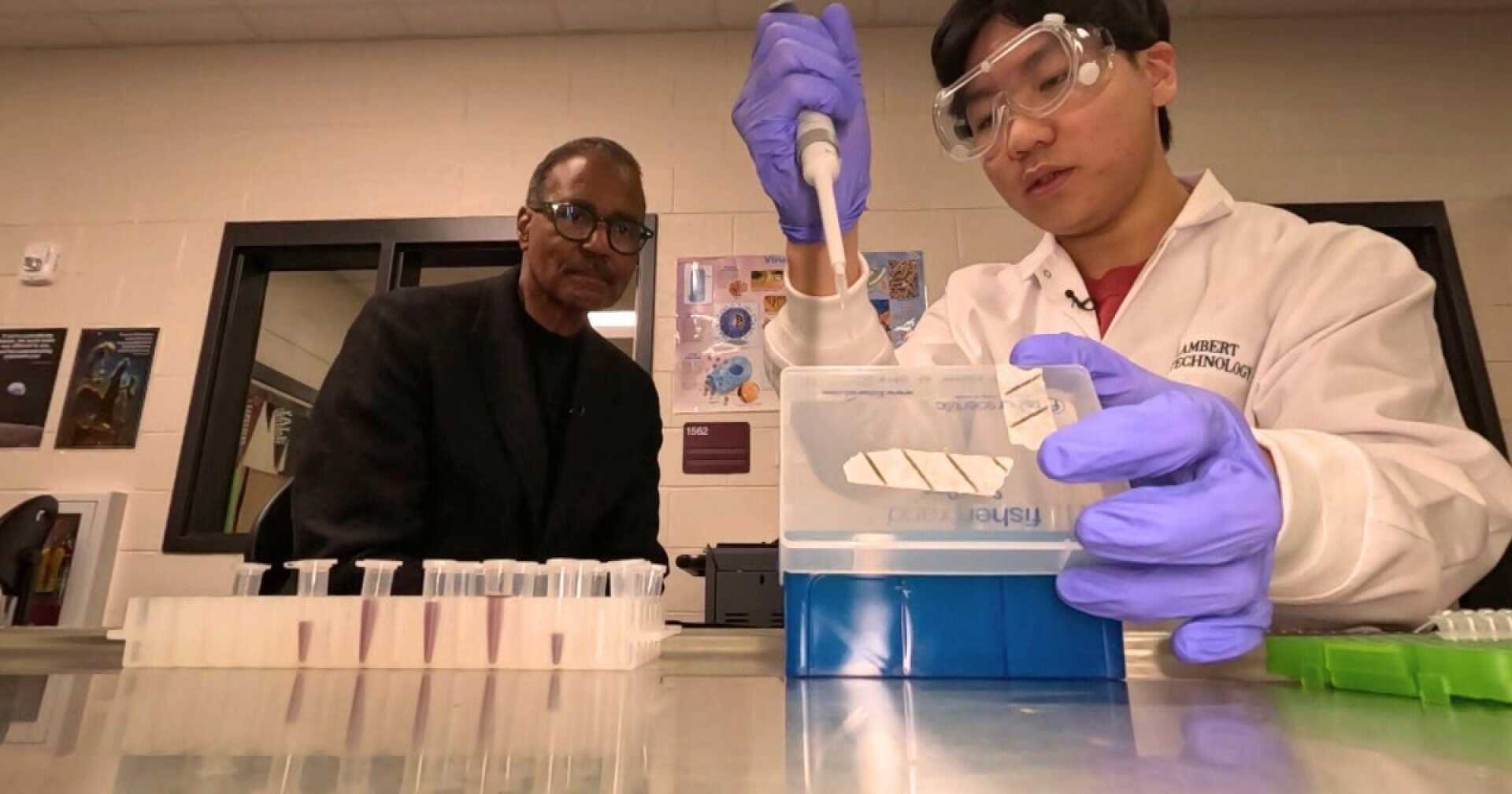
ATLANTA, Georgia – Students at Lambert High School in suburban Atlanta are making strides in Lyme disease research using cutting-edge CRISPR gene-editing technology. Competing at the International Genetically Engineered Machine (iGEM) competition in Paris, these teenage scientists are showcasing their innovative approach to detecting and treating the disease, which affects nearly half a million Americans each year.
Lyme disease, transmitted by infected ticks, can lead to serious complications like arthritis, neurological damage, and heart problems if untreated. A major challenge in managing Lyme disease is the difficulty of early diagnosis, which often results in prolonged suffering for patients. Team captain Sean Lee explained, “We aim to develop a simple testing method like a pregnancy or COVID test to detect Lyme disease at earlier stages.”
The Lambert team’s approach involves simulating blood serum and utilizing guide RNA to target proteins generated by the Lyme infection. They also explored treatment options that focus on using CRISPR to eliminate the bacteria responsible for Lyme disease, shifting away from conventional antibiotic therapies.
The iGEM competition, held in late October 2023, featured over 400 teams from around the world, with Lambert being the only American high school represented in the top ten. Their participation underscores the competitive nature of the event, as they faced teams from countries like China, which has emerged as a leader in biotechnology.
Each year, about 100 students compete for approximately ten spots on Lambert’s iGEM team. Prospective team members go through rigorous evaluations that include project proposals, tests, and interviews, showcasing skills in engineering and coding. The intense preparation often leads students to work late into the night, especially as the competition deadline approaches.
Guided by biotechnology teacher Kate Sharer, the students have demonstrated exceptional talent and creativity. “They put significant effort into their work, often sacrificing personal time to advance their project before the competition,” Sharer remarked.
Despite facing tough competition, the team earned recognition for developing one of the best software tools at the iGEM competition and received accolades for their innovative project. They are optimistic about the potential impacts of their research on public health.
The capabilities displayed by the students at Lambert High School highlight the immense potential of young innovators in the scientific community. If further testing confirms their findings, their work could pave the way for groundbreaking advancements in Lyme disease detection and treatment. The success at iGEM motivates the team to continue exploring synthetic biology, aiming for innovations that could revolutionize medical diagnostics and therapies.


