
Health
World AIDS Day: Reflecting on Australia’s Fight Against HIV/AIDS

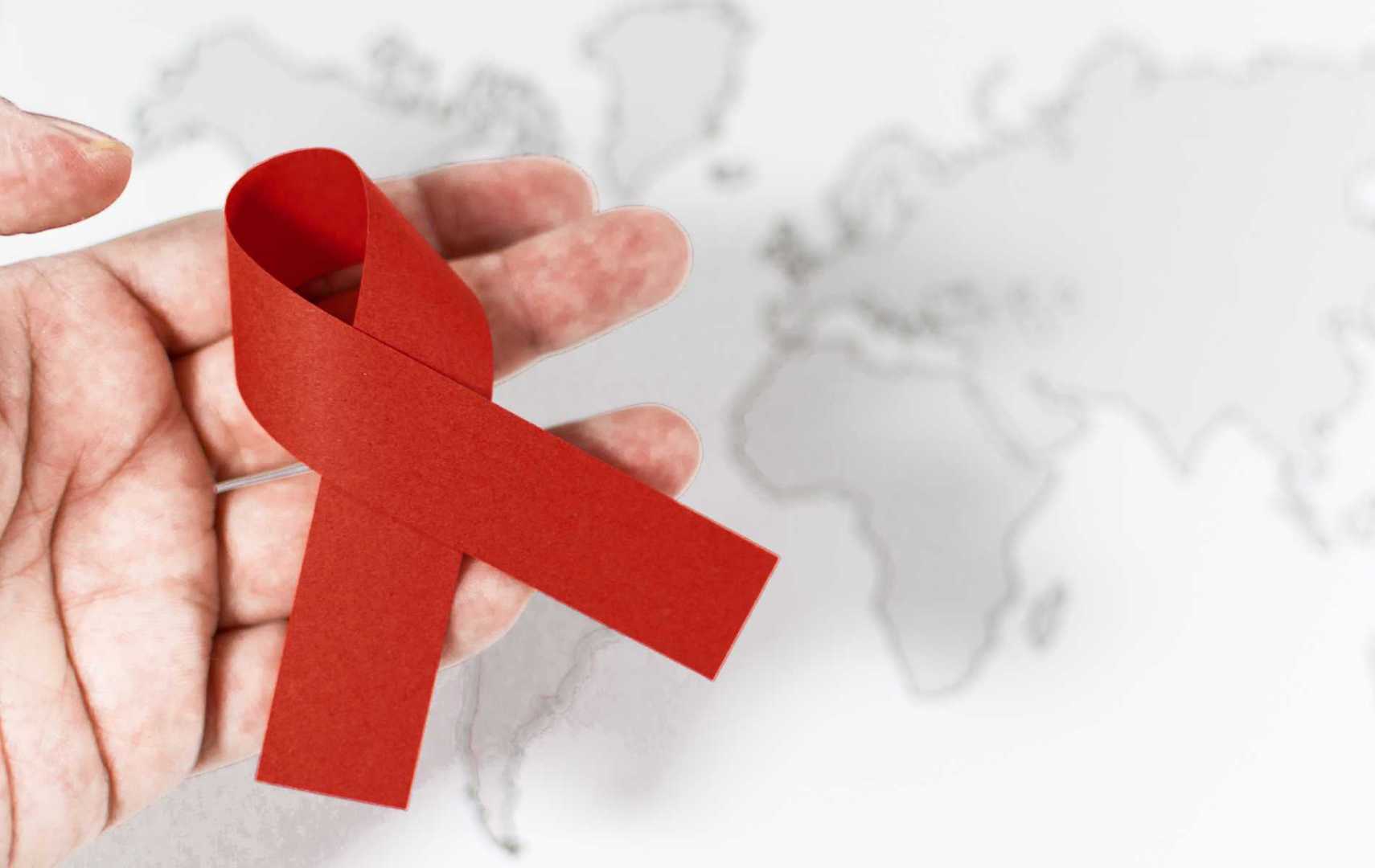
Sydney, Australia — World AIDS Day, observed on December 1, serves as a reminder of the ongoing challenges and progress in the fight against HIV/AIDS. Since it started in 1988, the day has evolved into a significant moment for communities impacted by the virus.
Initially emerging as a crisis largely among marginalized groups like gay men and intravenous drug users, the epidemic was complicated by fear, stigma, and misinformation. During the 1980s in Australia, an HIV-positive diagnosis was often perceived as a death sentence, creating a landscape filled with hostility towards those infected.
In response to the growing epidemic, public health officials recognized the need for awareness and founded World AIDS Day. Their goal was to combat misinformation and promote understanding of the disease. The day has since served as a rallying point for activism and support.
In the early observances of World AIDS Day, such as those in 1988, the Australian community came together to honor those who had lost their lives to the virus. Activists, health officials, and community leaders participated in memorials, including the display of the Australian AIDS quilt, which was first shown in Sydney that year.
During the gatherings, Rev. Jim Dykes recited the names of those memorialized in the quilt, transforming the event into both a tribute and a call for increased funding and support for those affected. The rally drew crowds and emphasized the need for community solidarity.
As the years progressed, the attendance at events grew, reflecting an increased public awareness of the crisis. By the mid-1990s, community leaders reported the devastating loss of loved ones within their networks as the AIDS crisis peaked.
Thankfully, the consistent efforts of activists led to effective safe-sex campaigns and the introduction of needle exchange programs that contributed to a significant decline in new diagnoses. By 1996, the arrival of combination therapies changed HIV/AIDS from a terminal illness to a manageable chronic condition in Australia.
Internationally, other nations such as the United States and the United Kingdom continued to face rising infection rates, while Australia marked its peak in reported diagnoses in 1988, thanks to proactive health initiatives.
Despite the success of Australia’s response to the epidemic, it remains crucial to remember the historical context. While the early response effectively protected the broader population, it did not eliminate HIV/AIDS entirely. In the late 1990s, a disproportionate 80-90% of new diagnoses still occurred among men who have sex with men.
The evolution of the epidemic reflects a complex interplay of human agency and public policy. It highlights the importance of community knowledge and government support in addressing public health crises. As we observe World AIDS Day, we remember those affected and reflect on the progress made, while recognizing there is still work to do.


