
News
Auroras Expected Tonight from Alaska to New York Amid Geomagnetic Storm

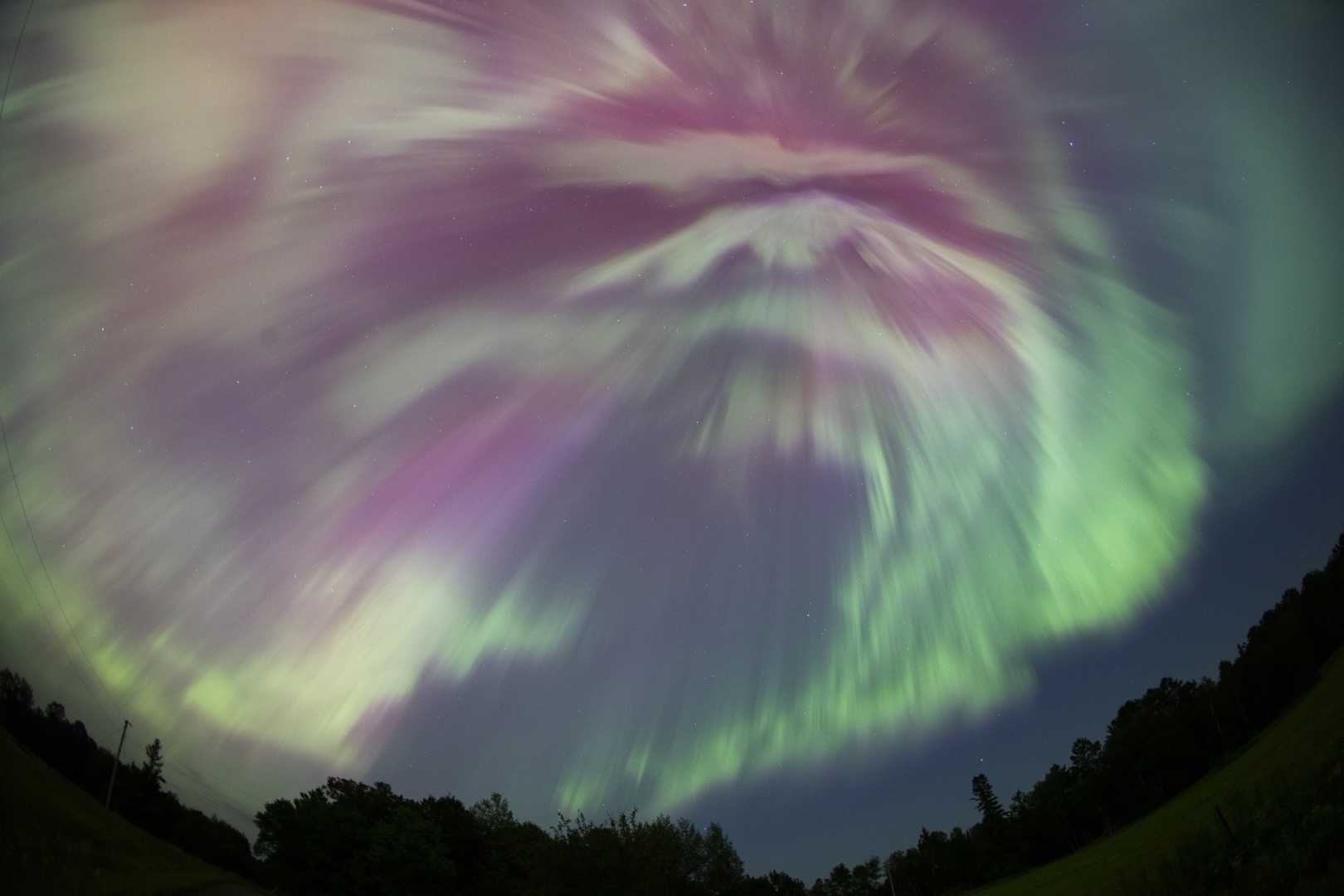
ALASKA, USA — Aurora watchers can expect another night of stunning displays as geomagnetic storm conditions continue to affect northern skies. The National Oceanic and Atmospheric Administration (NOAA) reports that a G2 (moderate) storm watch is in effect for tonight, October 2, 2025.
This follows a surprise G3 (strong) geomagnetic storm on October 1, which lit up the skies as far south as New York. NOAA’s Space Weather Prediction Center confirmed the strong activity began at 0559 UTC, and conditions are expected to remain elevated throughout the day.
The NOAA forecast indicates that the auroras could be visible from several U.S. states tonight, including Alaska, Washington, Idaho, Montana, North Dakota, South Dakota, Minnesota, Wisconsin, Michigan, New York, Maine, and Wyoming. If conditions reach G2 levels, the auroras could potentially be seen even further south, possibly in states like Vermont and northern Pennsylvania.
Despite the favorable conditions, seeing the aurora also depends on the weather, as cloud cover or light pollution can obstruct the view. NOAA advises interested sky-watchers to seek areas with dark skies away from city lights.
For tonight, the peak activity for aurora sightings is expected to occur between 5 a.m. and 8 a.m. EDT, when the geomagnetic storm intensity will be at its highest. NOAA cautions that while current conditions are promising, the storm’s intensity could gradually lessen after October 2, potentially marking the end of significant aurora displays for this event.
Sky-watchers are encouraged to use space weather apps for real-time updates and forecasts. These apps can provide detailed information based on individual locations, enhancing the chances of witnessing this natural phenomenon.
Geomagnetic activity is driven by fast solar winds emitted from a positive polarity coronal hole in the sun, which has been bombarding Earth with solar particles. As conditions remain favorable, enthusiasts are reminded to stay updated on solar activity, as the geomagnetic storms tend to be more intense around the equinoxes, a phenomenon known as the Russell-McPherron Effect.


