
News
Northern Lights Expected Monday Night Across 16 U.S. States

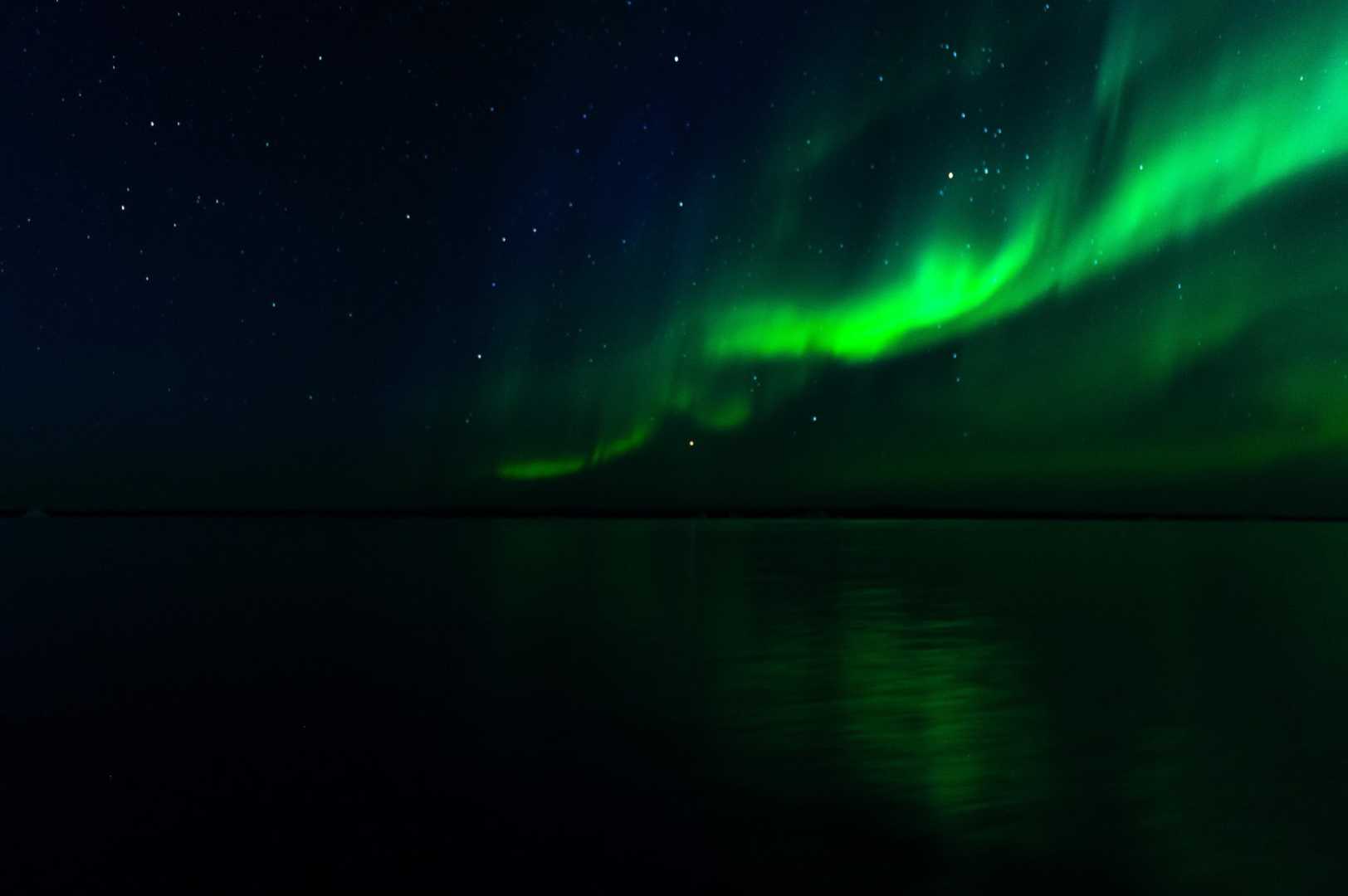
WASHINGTON, D.C. — A minor geomagnetic storm is expected to light up the night sky, allowing the Northern Lights to be visible in parts of the United States overnight on Monday, August 18, into Tuesday, August 19. The National Oceanic and Atmospheric Administration (NOAA) has forecasted active auroral conditions, particularly from 10 p.m. EDT to 4 a.m. EDT.
The storm is rated as G1 on a scale from G1 to G5, with the Kp index potentially reaching a value of 5, which highlights increased chances for aurora sightings. This marks the start of the Northern Lights season in the Northern Hemisphere, a period typically characterized by increased solar activity.
Areas most likely to witness the spectacle include states such as Alaska, Washington, Idaho, and South Dakota, among others. According to NOAA’s report, the best viewing will occur during the late evening hours when the skies are darkest, coinciding with a rising moon that may aid in visibility.
The geomagnetic storm is associated with a recurrent, negative polarity coronal hole high speed stream (CH HSS) that has the potential to enhance auroral activity across northern U.S. states. Similar high-speed solar winds can result in vivid and colorful displays of the aurora borealis as charged particles from the sun collide with Earth’s atmosphere.
No advanced technology is required to view the Northern Lights, as they can be seen with the naked eye. Stargazers are advised to seek dark areas away from city lights and ensure they have a clear view of the northern horizon. “It’s a magical experience, and the best part is that anyone can enjoy it without any special equipment,” said one space weather enthusiast.
To improve the chances of witnessing the auroras, meteorologists encourage fans to download smartphone applications such as “My Aurora Forecast & Alerts” or “Space Weather Live,” which can provide real-time updates and alerts about geomagnetic activity.
This geomagnetic event serves as a reminder of the sun’s cycle of activity, which is currently on the downslope after peaking in late 2024. However, the best aurora displays often occur in the years following a solar maximum, indicating that opportunities for sightings will continue in the near future.


