
News
Tropical Depression Forms in Central Atlantic, May Become Gabrielle

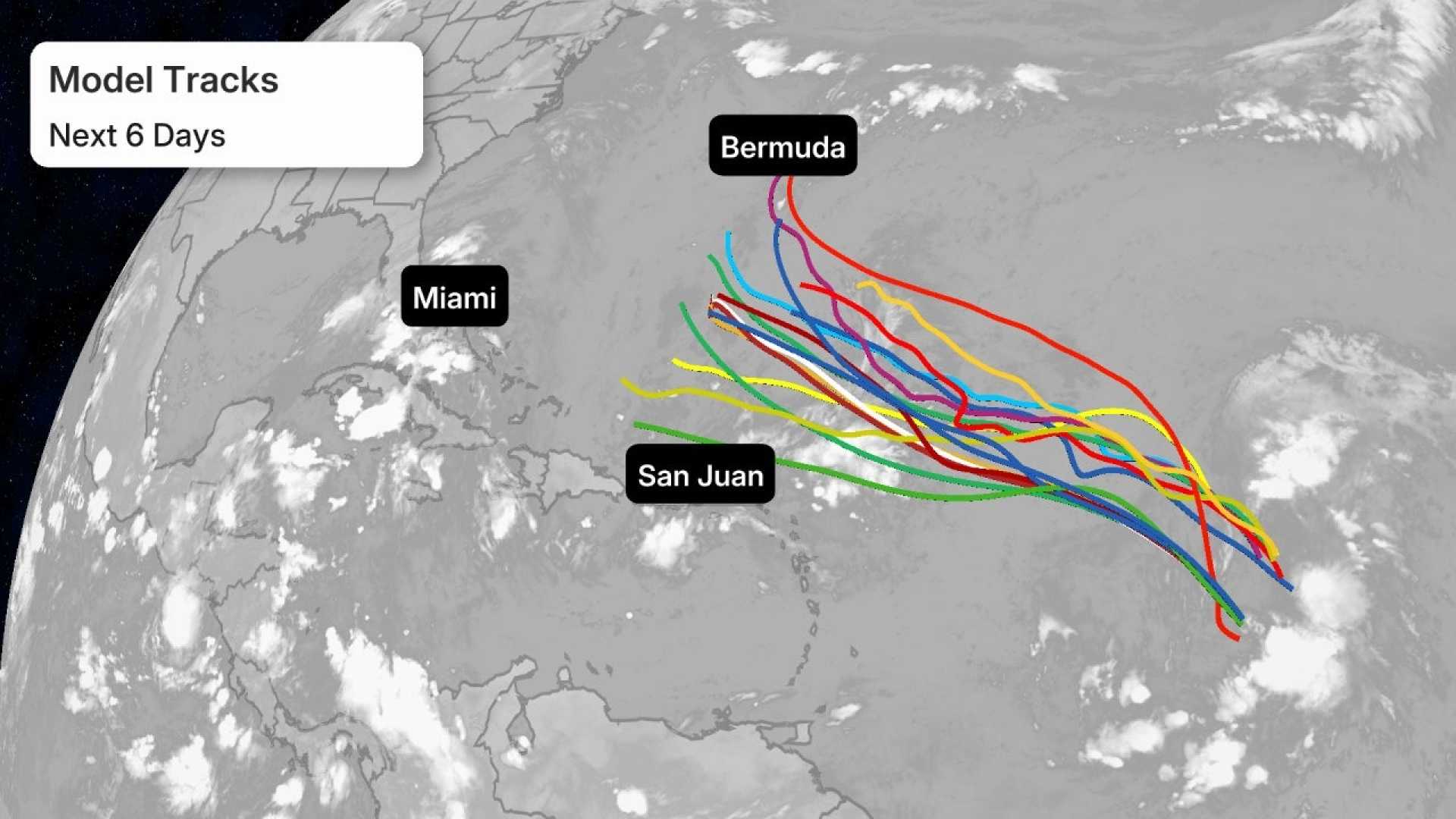
MIAMI, FL — A new tropical depression has formed in the central Atlantic Ocean, with expectations to strengthen into Tropical Storm Gabrielle. This development ends a rare nearly three-week period without storm activity during the peak of hurricane season.
Tropical Depression Seven emerged Wednesday morning, located 1,185 miles from the northern Leeward Islands. At that time, the system had sustained winds of 35 mph, just shy of the 39 mph threshold for tropical storm status. The National Hurricane Center forecasts that it will gain strength and become a tropical storm by Wednesday afternoon.
This will mark the first tropical storm in the Atlantic since the dissipating Fernand on August 28. While initial projections suggest minimal impact on the U.S., forecast updates will be necessary as the system develops and tracks west-northwest.
This year has been unusually quiet; for only the second time since 1950, the Atlantic experienced a storm-free interval from August 29 to September 16. The last occurrence was in 1992 after Hurricane Andrew.
A high pressure system over the Atlantic will guide this new storm along a west-northwest track, likely leading it north of the eastern Caribbean islands by the weekend, bringing potential high surf and rip currents to areas like Puerto Rico and the Virgin Islands.
The high pressure is expected to weaken, causing the storm to shift north into the central Atlantic next week. The exact moment of this turn will determine how close the storm could come to Bermuda.
Meanwhile, another area of showers and thunderstorms is developing off the coast of Africa, which could evolve into another tropical system in the days ahead. The National Hurricane Center states this system poses no immediate threat to land.
The seventh storm of the season usually forms by September 3, making this development approximately two weeks delayed. Most tropical systems typically emerge between mid-August and mid-October when atmospheric and oceanic conditions are most favorable.
This September has seen plenty of warm water in the Atlantic, with sea surface temperatures above normal, which fuels storm activity. However, only one of the six tropical storms earlier this season developed into a hurricane, which was Erin.
Several atmospheric factors have hindered tropical storm formation this year, including dry, stable air and stronger-than-usual wind shear in the western Atlantic. These conditions limit the growth of tropical systems that typically form from disturbances moving off the coast of Africa.
As the hurricane season progresses, the breeding ground for storms shifts to the Gulf of Mexico and the Caribbean, closer to land, which increases the risk of impacts on the U.S. coastline.


