
News
Toyota and Volvo Lead the Charge in EV Innovation

PAPILLION, Nebraska, USA – On September 17, 2025, Toyota announced the development of the ChargeMinder app aimed at encouraging plug-in hybrid vehicle owners to charge their cars more regularly. Utilizing behavioral science techniques such as personalized reminders and educational quizzes, the app has already shown impressive results. In Japan, it increased peak renewable charging by 59%, while trials in the U.S. reported a 10% rise in charging frequency and a 16-point increase in user satisfaction.
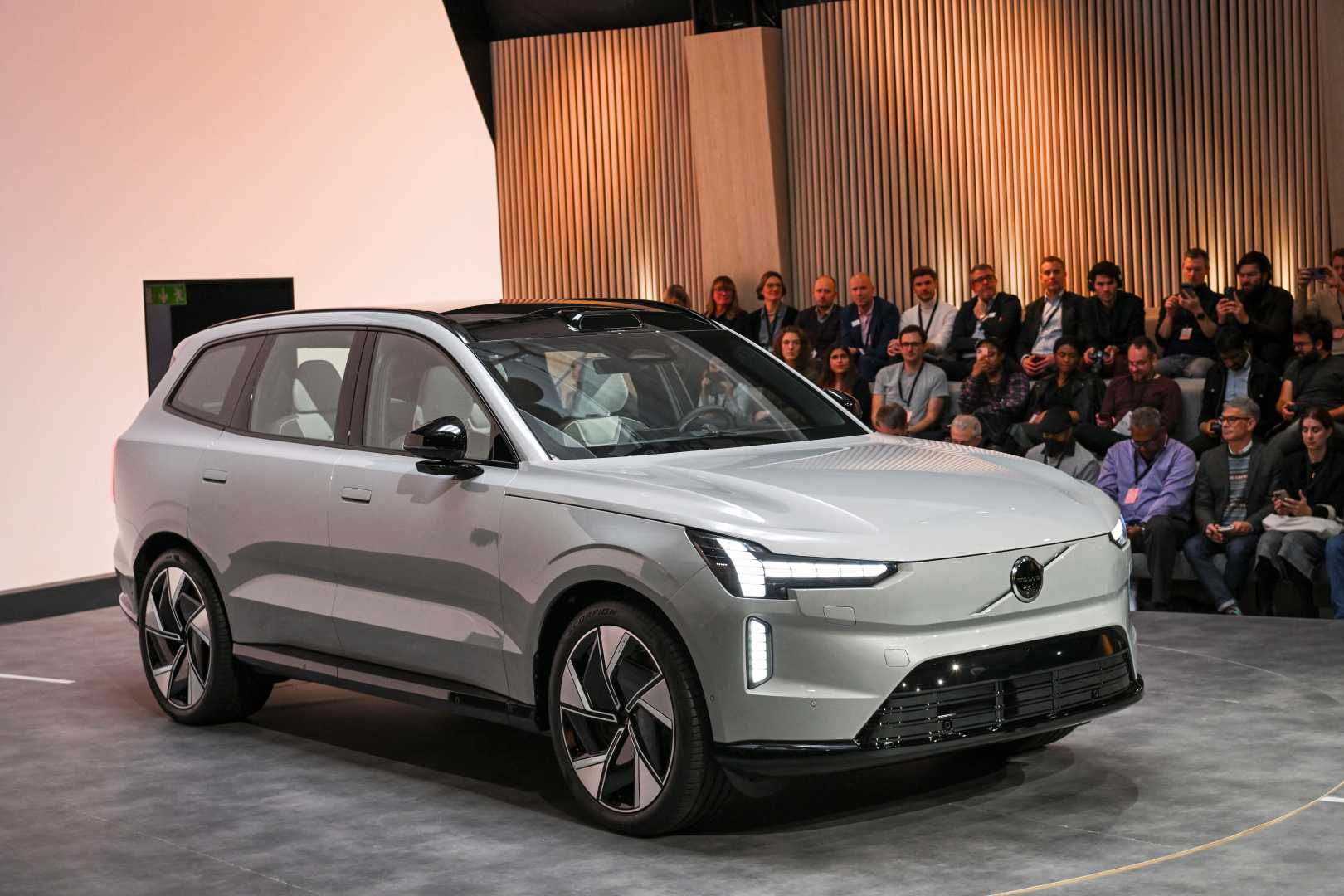
In related news, Volvo unveiled its XC70 plug-in hybrid electric vehicle, which features up to 200 kilometers (124 miles) of EV range powered by a 39.6 kWh NMC battery. The XC70 will be the first vehicle built on Volvo’s new Sustainable Modular Architecture (SMA) platform, debuting initially in China and later in Europe. This model combines a turbo engine with dual electric motors for seamless driving and represent a step toward full electrification in the automotive industry.
Meanwhile, Elon Musk‘s recent $1 billion stock purchase in Tesla has turned heads. Made through a personal trust, this investment propelled Tesla’s share price upward and raised speculation about the funding sources, likely involving margin loans or asset reallocations. This move has reportedly increased Musk’s net worth by up to $8.6 billion.
Also premiering in September 2025 is the world’s first hydrogen-powered off-road racing series, Extreme H, kicking off in Qiddiya City, Saudi Arabia. This initiative, part of the Saudi Vision 2030 program, features gender-equal teams racing zero-emission Pioneer 25 SUVs powered by green hydrogen. The event is designed to both prove hydrogen’s viability and push for sustainable motorsport practices.
Seattle’s Sound Transit has expanded its Link light rail system, offering 45 miles of eco-friendly transportation powered by renewable energy sources like hydro and wind. Ridership data from October 2024 reflected over 3 million passengers. However, the transit agency is now grappling with the pressing need for financial restructuring.
The Federal Aviation Administration (FAA) has launched an eVTOL Integration Pilot Program (eIPP) to investigate electric air taxis and advanced air mobility solutions. Participants include notable companies such as Joby, Archer, and Beta, which are contributing to the evolution of air travel in the U.S.
In marine innovation, Arc has secured a $160 million deal with Curtin Maritime to deliver eight hybrid-electric tugboats. This deployment, touted as the largest of its kind, promises to modernize U.S. ports and reduce environmental impact.
Notably, ComEd is testing its first vehicle-to-grid (V2G) charging pilot in Illinois, collaborating with local school districts to optimize energy use during peak demand periods. The initiative aims to promote beneficial electrification in the region.
As the electric vehicle landscape evolves, India’s middle class remains hesitant about adopting EVs, hindered by high import prices and limited charging infrastructure. With a mere 5.3% market share for EVs in the region, manufacturers like Tata Motors are key to making electric vehicles more accessible.


